
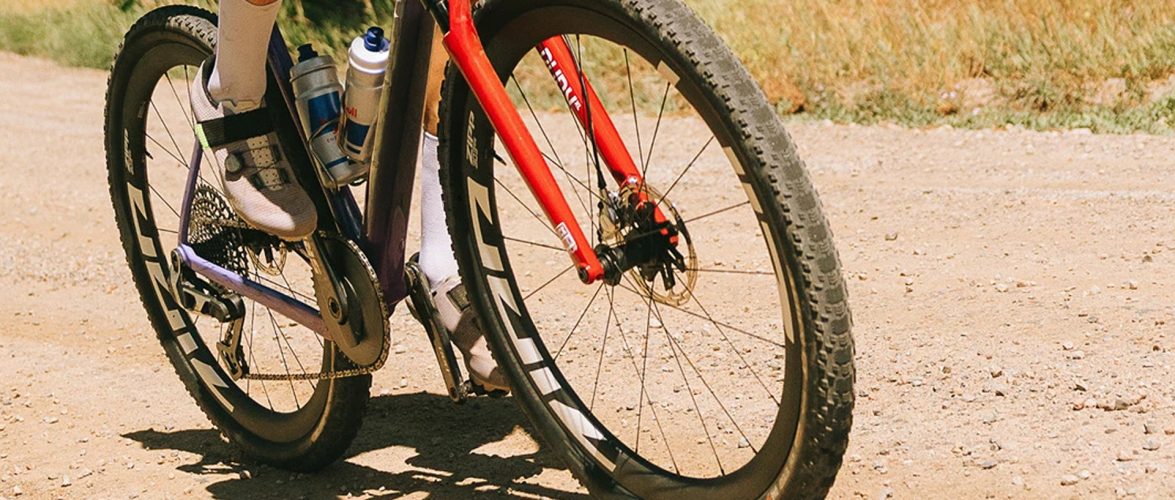
When SRAM reached out and wanted my opinion on the RockShox Rudy Ultimate XPLR, I was definitely curious. Gravel suspension has become more popular over the last few years, and with the type of terrain I normally ride, I wanted to see for myself what it could really add to a gravel bike.
For me, though, the idea is not exactly new. Years ago, I had a RockShox suspension fork on an older Rocky Mountain hybrid/gravel bike, long before suspension forks became part of the current gravel trend. It was going to be interesting to revisit the concept on a modern gravel bike.
About RockShox
Founded in 1989, RockShox has been one of the biggest names in bicycle suspension for more than three decades. The brand helped make suspension forks a normal part of mountain biking and today offers everything from lightweight cross country suspension to products designed for some of the most demanding mountain bike terrain.
RockShox became part of SRAM in 2002 and continues to focus on suspension, with forks, rear shocks and dropper posts covering a wide range of riding. With XPLR, RockShox took some of that experience and applied it specifically to gravel.
Rudy Ultimate XPLR
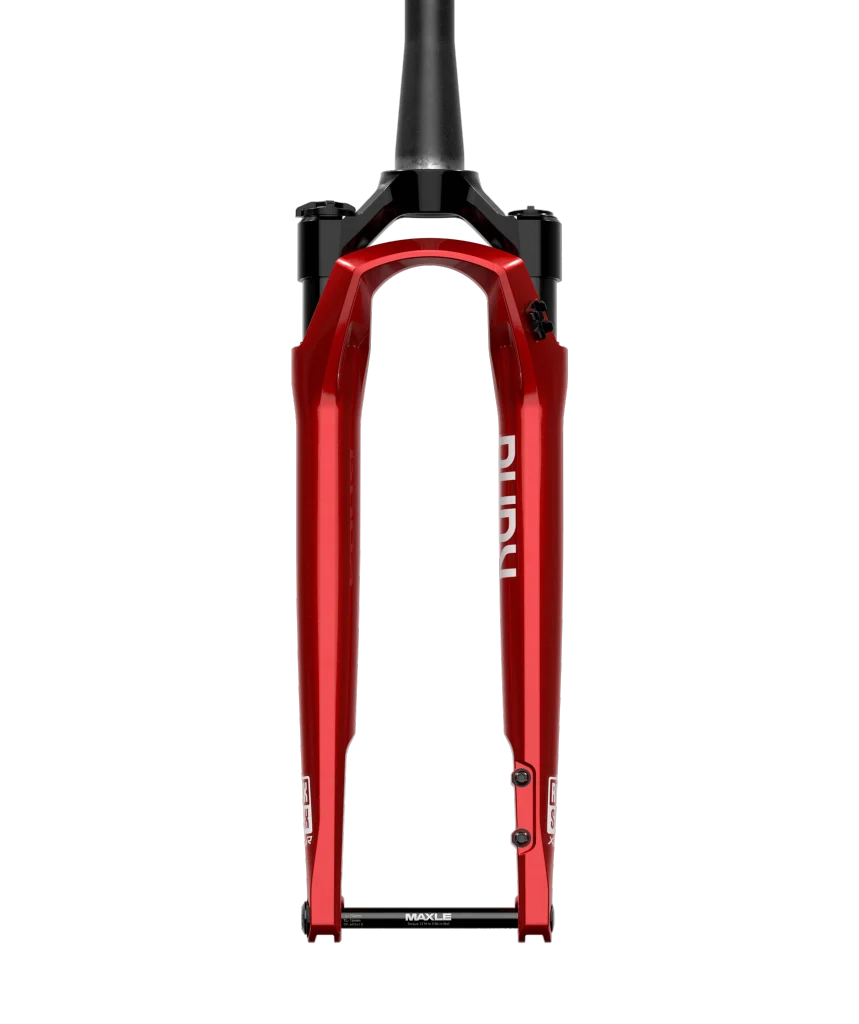
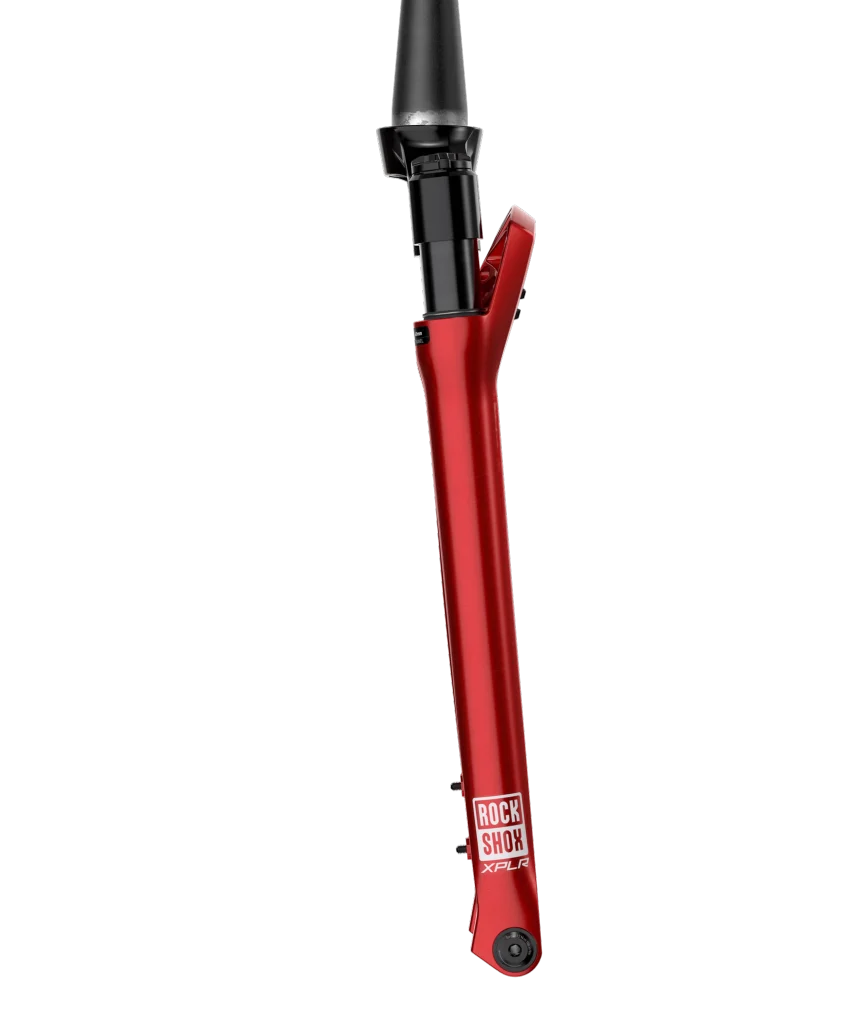
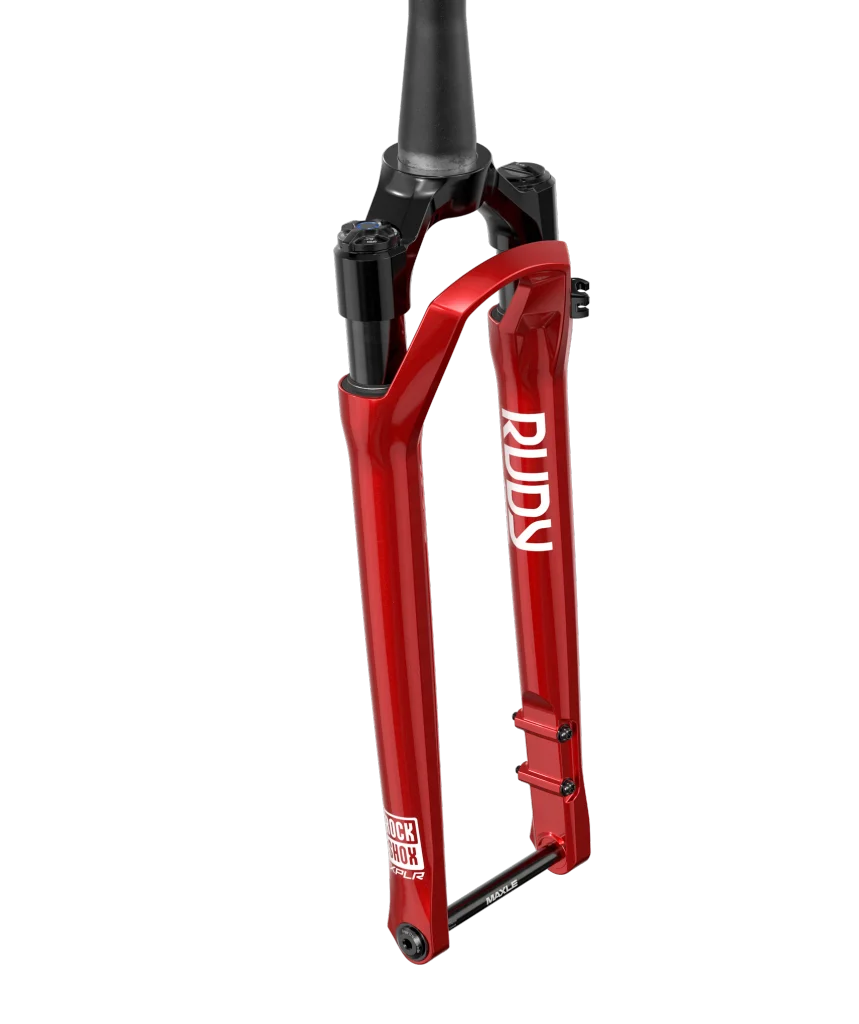
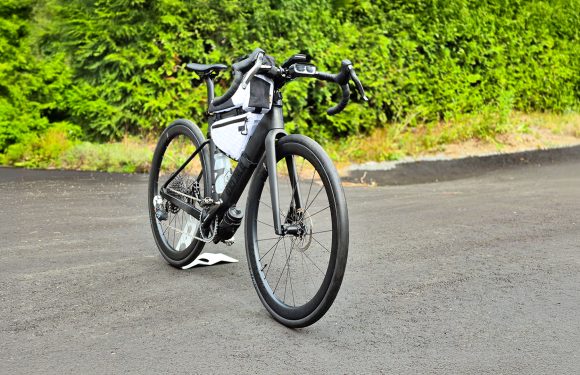
The Rudy Ultimate XPLR was designed specifically for gravel rather than simply putting a mountain bike fork on a drop bar bike. Its short travel is meant to add comfort and control over rough surfaces while maintaining the handling and feel you expect from a gravel bike.
The Ultimate version features RockShox’s Charger Race Day 2 damper and Solo Air spring, with adjustments that allow you to fine tune the fork for your weight and riding. It also offers generous tire clearance, something that has become increasingly important as bigger gravel tires continue to gain popularity.
Testing: Going Beyond Gravel
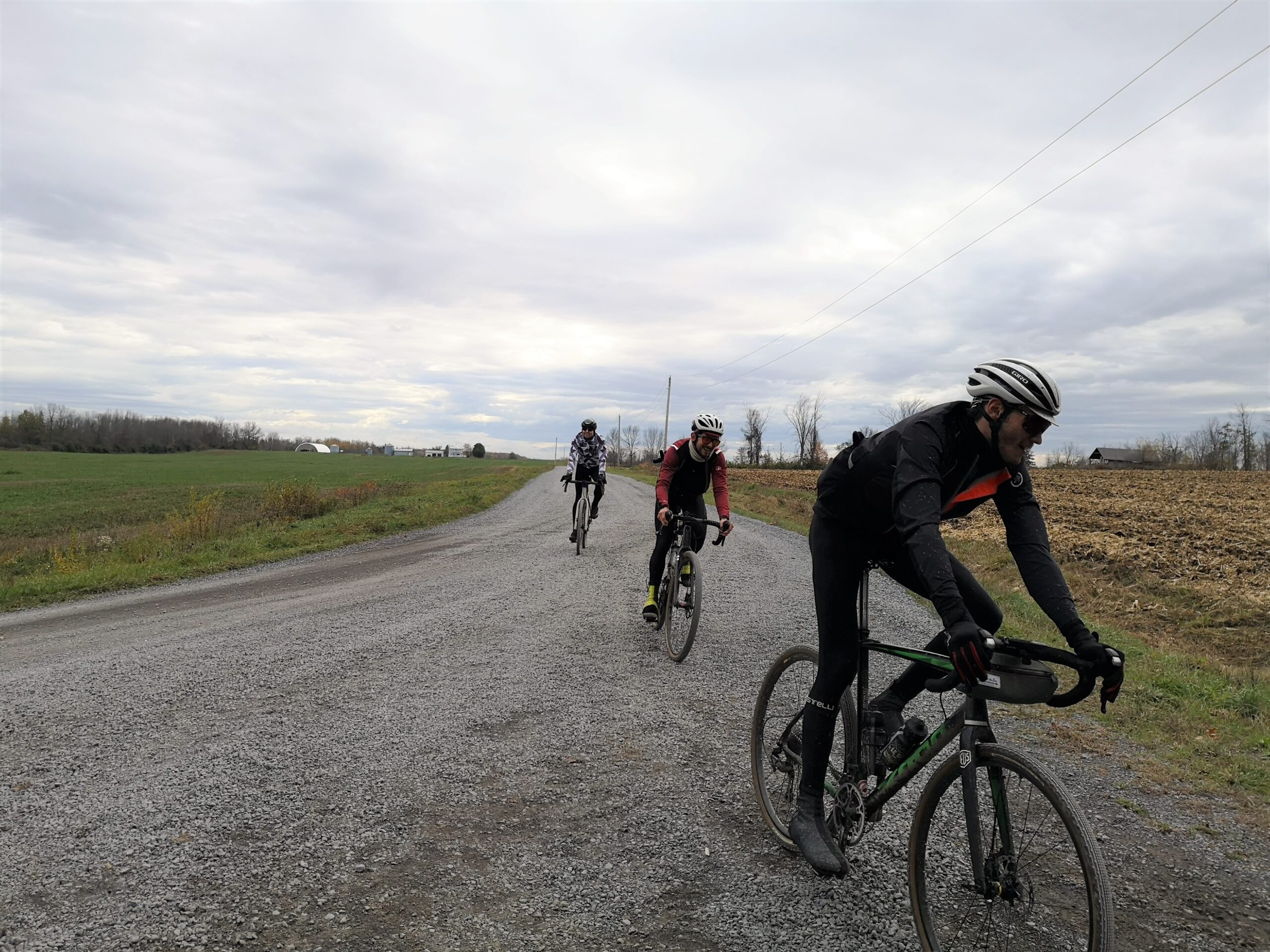
I tested the Rudy Ultimate XPLR on pretty much everything I normally encounter, from smooth gravel roads to much rougher gravel, singletracks and even some light mountain biking. One of my first surprises was actually how easy it was to get the setup right. Using the RockShox TrailHead app gave me a good baseline for air pressure and rebound, and I only needed some minor adjustments from there.
The extra weight at the front was noticeable at first, especially coming from a carbon rigid fork, but I got used to it fairly quickly. On smoother gravel, the biggest benefit was simply additional comfort. Once things got rougher, I started appreciating the added control as well.
Singletracks were probably where I had the most fun with it. Roots, rocks and rough sections that normally require more attention on a rigid gravel bike became easier to manage. I even took it onto some easier mountain bike terrain, and while the Rudy obviously does not turn a gravel bike into a mountain bike, it definitely gives you a little more confidence to explore.
I also really appreciated the tire clearance. The Rudy officially clears tires up to 700×50, which fits perfectly with the trend toward bigger gravel tires. Combining that extra tire volume with front suspension makes the Rudy an interesting option for riders who like pushing their gravel bikes beyond regular gravel roads.
In conclusion
Is a suspension fork a must on a gravel bike? Definitely not. For riders spending most of their time on pavement and smooth gravel, a good carbon fork and larger tires will probably provide everything they need.
But if comfort is important to you, or your gravel rides regularly turn into rough roads, singletracks and exploring wilder areas, the Rudy Ultimate XPLR starts to make a lot more sense. There is a weight penalty compared with a rigid fork, but in return you get additional comfort, control and the ability to take your gravel bike a little further.
It might not be for every gravel bike, but for the right rider and the right terrain, it is a great addition.