
When SRAM asked if I wanted to spend some time on the new Zipp 303 SW wheels and share my opinion, it was pretty hard to pass on the opportunity. I have tested a lot of wheels over the years, but somehow I had never ridden a set of Zipp wheels before. Considering how often you see the Zipp name on road, gravel and all-road bikes, I was definitely curious to finally see what they were all about. The 303 SW also seemed like a good match for the way I ride since I wasn’t planning on keeping them strictly on pavement.
About Zipp
Zipp has been around since 1988 and has built its reputation around performance-oriented cycling components, particularly carbon wheels. Today, the brand is part of SRAM, with a lineup covering road, gravel and all-road riding. The 303 family is probably one of the most recognizable names in that lineup and has evolved alongside the move toward wider tires and lower pressures.
That makes the 303 SW particularly interesting to me. Road and gravel bikes aren’t nearly as separated as they used to be, especially when it comes to the type of riding I normally do. A fast all-road bike with the right tires can cover a surprising amount of terrain, and I wanted to see how far I could push that idea with the 303 SW.
The Zipp 303 SW
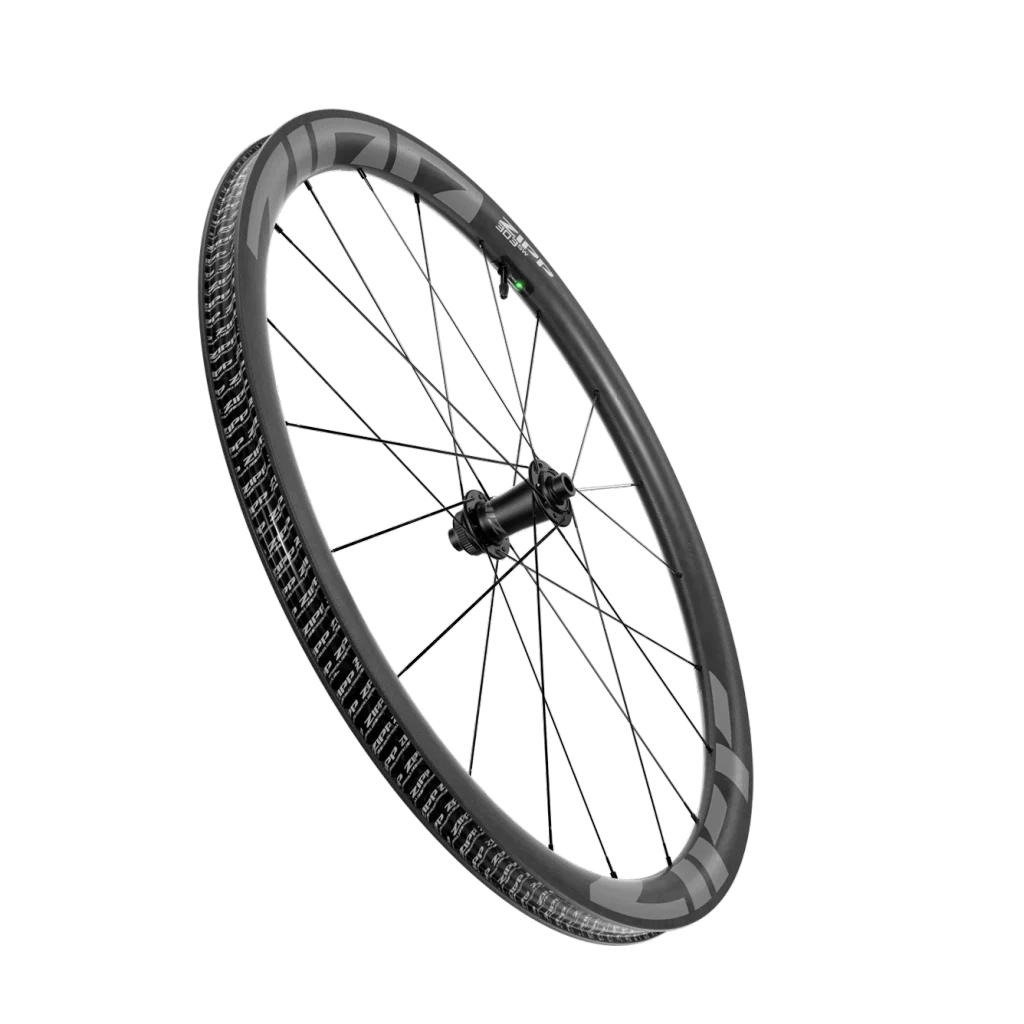
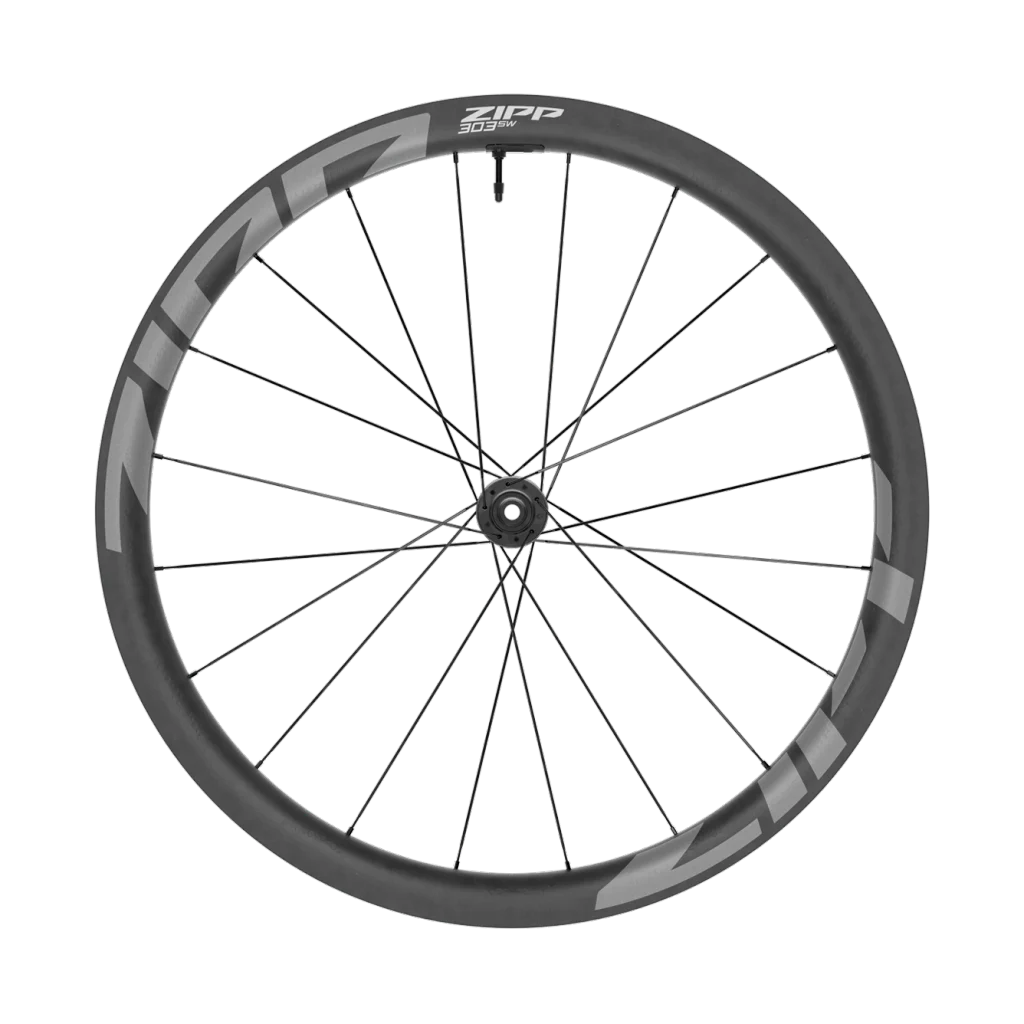
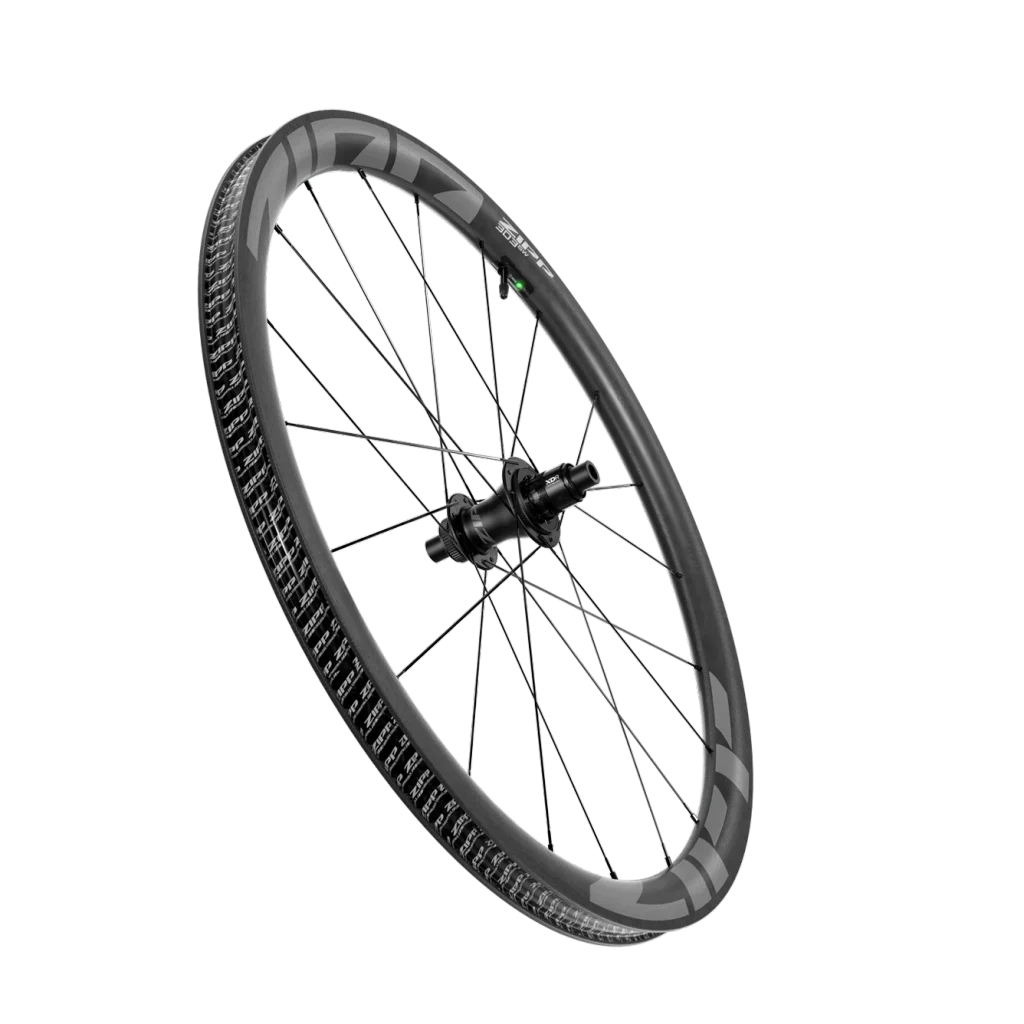
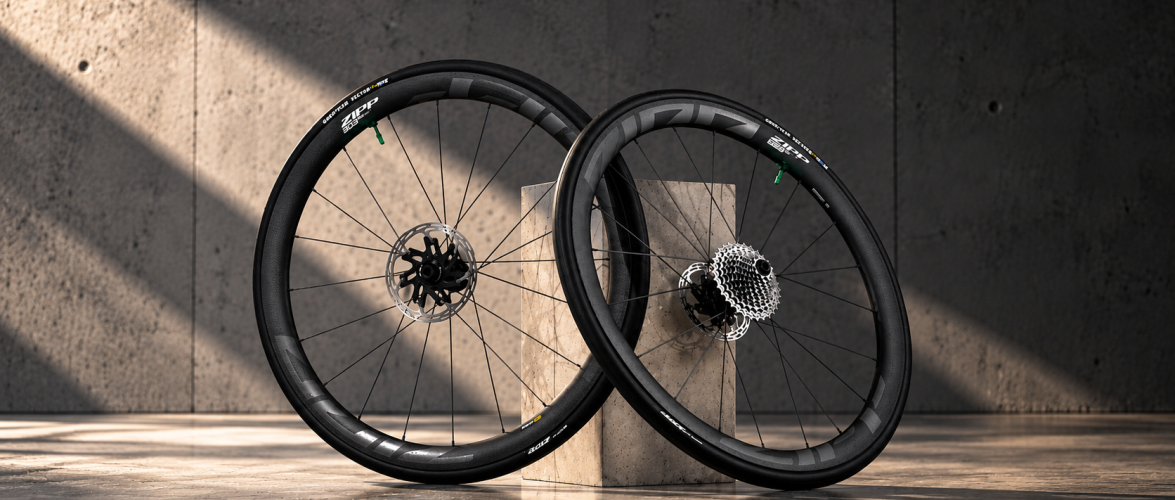
The Zipp 303 SW is a 700c carbon wheelset built around a 40 mm deep hookless rim with a 25 mm internal width. Zipp says the wheels are optimized around 30 to 35 mm tires, although compatible ISO/TSS tubeless tires from 30 to 44 mm are supported. At the center are Zipp’s ZR1 hubs with stainless steel bearings, while the wheels use Center Lock disc mounting. Claimed weight is only 1,440 grams in the lightest configuration, including tape and valves.
Numbers on a website are one thing, but the weight was honestly one of the first things that surprised me when I took the wheels out of the box. They feel properly light in your hands. The finish was the other immediate standout. The UD carbon and graphics are really well done, and the overall finish gives the wheels a clean look that worked equally well on my gravel bike and my all-road bikes.
The 25 mm internal width is also an important part of the 303 SW. These are wide rims designed around the larger tires we are now seeing on road and all-road bikes. With the hookless construction, however, tire compatibility is something you need to pay attention to. I made sure the tires I planned on using were compatible before installing them rather than simply assuming they would work. Zipp provides tire compatibility and pressure information, and I would definitely recommend checking it before choosing your setup.
Another interesting feature is something you barely notice when looking at the wheels. Zipp integrates an AXS Wheel Sensor inside the rim to provide real-time tire pressure information. There isn’t a big sensor hanging off the valve or another obvious gadget attached to the wheel. Everything is neatly integrated, which I really like.
Testing the Zipp 303 SW
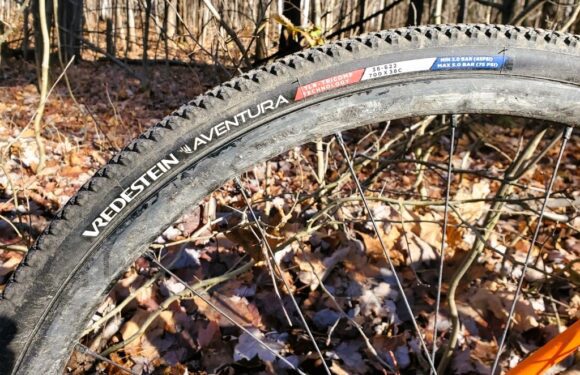
My testing ended up being a little broader than simply installing a pair of road tires and heading out for a ride. I started by putting the 303 SW on my gravel bike. Yes, really, with wide gravel tires. From there, I eventually moved them onto my all-road bikes with 700×32 tires.
That gave me a chance to see how the wheels behaved in two pretty different configurations.
On the gravel bike, I was surprised by just how comfortable I was pushing them onto rougher surfaces. The combination of a wide rim, low wheel weight and larger tires made for a setup that still felt quick but didn’t suddenly feel out of place when the pavement disappeared. They accelerated nicely and felt solid underneath me, which quickly made me stop thinking about the fact that I was riding what is primarily a road and all-road wheelset on gravel.
Moving the 303 SW onto my all-road setup with 700×32 tires was where I really started to understand these wheels. The 25 mm internal width works extremely well with a modern 32 mm road tire, and the bike immediately felt lively. Acceleration was probably the first thing I noticed. They simply feel light when getting the bike up to speed.
At the same time, I didn’t find them unnecessarily harsh. That’s important to me because I don’t ride exclusively on perfect pavement. My rides often include rough roads and sections where an all-road bike starts to blur the line with gravel. The 303 SW felt fast without making me feel like I had to avoid every imperfect section of road.
The AXS Wheel Sensor was another feature I wasn’t sure I really needed until I started using it. Setup was surprisingly easy, and once paired, I could see my tire pressure directly on my Hammerhead computer.
I already pay quite a bit of attention to tire pressure, especially when switching between different bikes, tire sizes and surfaces. Normally, however, you check your pressure before leaving and that’s basically the end of it. Having that information available while riding gives you another useful piece of data without requiring you to do anything differently.
It was particularly interesting when switching between pavement and rougher surfaces. Tire pressure has such a big effect on comfort, grip and how a bike feels, so being able to actually see that information instead of guessing became something I appreciated pretty quickly. The fact that the sensor is integrated into the wheel makes the whole system even better. Once everything is paired, you almost forget the sensors are there until you look down at the Hammerhead and see the information.
In Conclusion
The Zipp 303 SW was my first experience riding Zipp wheels, and after spending time with them on both gravel and all-road setups, I can understand why the brand has such a strong reputation.
The low weight was the first surprise, followed closely by how nice the finish is in person. Once I started riding them, however, it was the versatility that stood out the most. They felt quick and lively with 700×32 tires on my all-road bike, but I also had no problem taking them well beyond smooth pavement with wider tires on my gravel bike.
The integrated AXS Wheel Sensor also turned out to be much more useful than I initially expected. Being able to see real-time tire pressure on my Hammerhead is one of those features that sounds unnecessary until you start using it.
Would I normally put a wheelset like the 303 SW on a gravel bike with wide tires? Maybe not. But that’s part of the fun of testing products instead of simply reading the specifications. I wanted to see what these wheels could do across the type of riding I actually enjoy, and they surprised me more than once.
For my first experience with Zipp wheels, the 303 SW definitely left a good impression. They are light, they look great, they feel fast, and they can handle a much wider range of riding than I initially expected. More importantly, they are the kind of wheels that made me want to keep riding them after the testing was supposed to be done.