
When SRAM reached out with the opportunity to test the new Rival XPLR AXS, it was an easy yes. I’ve spent enough time on their drivetrains over the years to know what to expect, but this latest 13-speed gravel-focused update still had my attention. Not because of hype, but because SRAM usually gets meaningful details right.
About SRAM
SRAM doesn’t really sit still. They’ve built their reputation on pushing wireless shifting forward and steadily filtering that technology down through the range without losing the core feel that made it work in the first place. Rival has always been that sweet spot in their lineup—where performance stops feeling exclusive and starts becoming accessible.
The Rival XPLR AXS
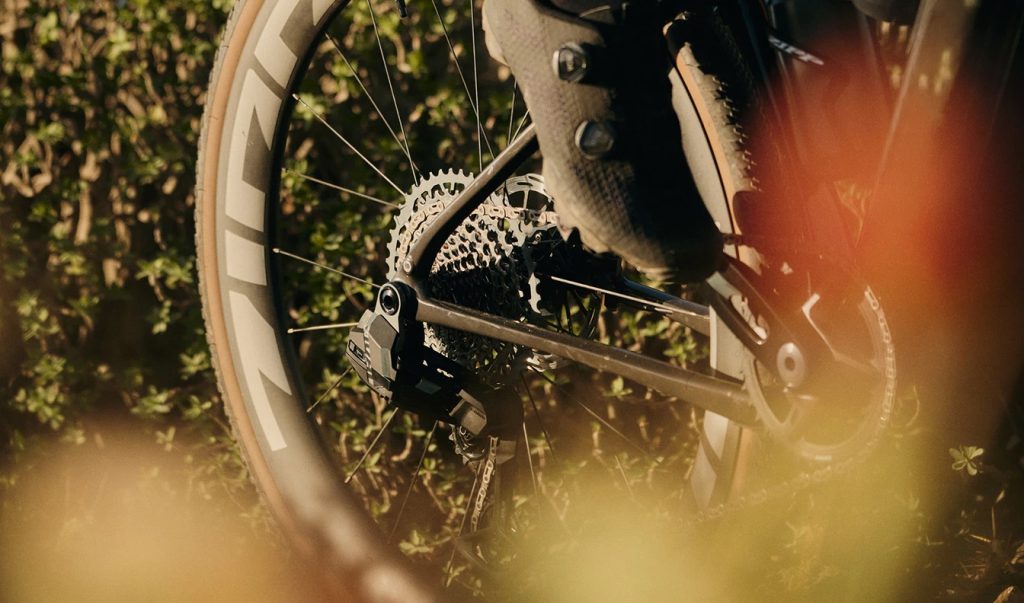
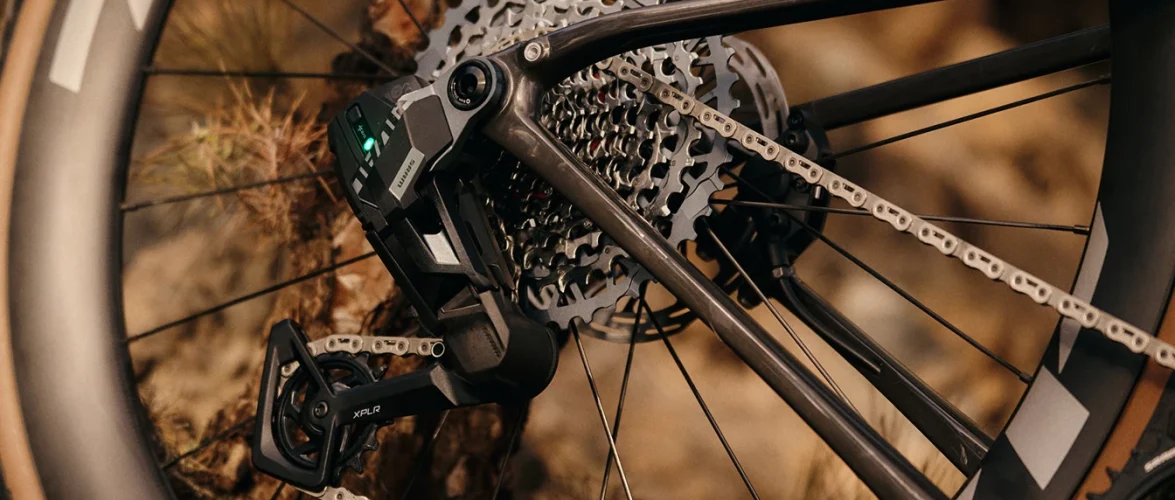
The Rival XPLR AXS continues exactly in that direction. It’s built for gravel, not repurposed for it, and that shows in how complete the system feels. Wireless shifting, simplified setup, and a drivetrain that feels like it was designed around real-world riding rather than spec-sheet chasing. It’s clean, quiet, and predictable in the way you want when the terrain gets rough and the effort starts to stack up.
Testing
For testing, I ran a 42-tooth front chainring paired with the 10–46T cassette. It’s a setup that makes immediate sense on gravel—enough top-end to stay efficient on fast sections, and just enough low range to keep things under control when the climbs turn loose and sharp. Shifting stayed consistent throughout, even under load, and never once felt like it needed to “think” before responding.
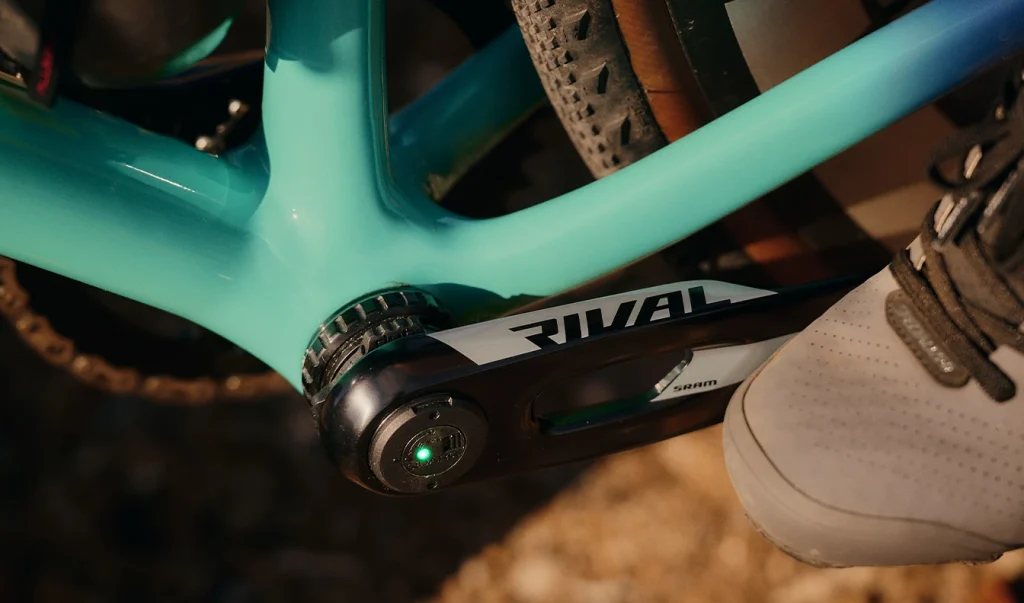
The crankset with SRAM’s integrated power meter rounded out the package. It’s unobtrusive, which is exactly how it should be. Data stayed consistent throughout the rides, but more importantly, it never got in the way. No added complexity, no extra noise—just clean integration that lets you ride and forget it’s there until you need the numbers.
The biggest immediate win, though, is the lever ergonomics. This is where the system feels most evolved. The shape is comfortable in a way that disappears under your hands, whether you’re sitting in the hoods for hours or moving around on technical terrain. It reduces fatigue without calling attention to itself, which is usually the sign of something well executed.
Braking performance follows the same logic. One-finger braking is genuinely achievable from anywhere on the lever, on any surface. In real-world use, it translates to about 80% less effort from the hoods and roughly 33% less from the drops compared to older setups. The number matters less than what it unlocks: more control, less hand fatigue, and a lot more confidence when the terrain starts to run away from you on long descents.
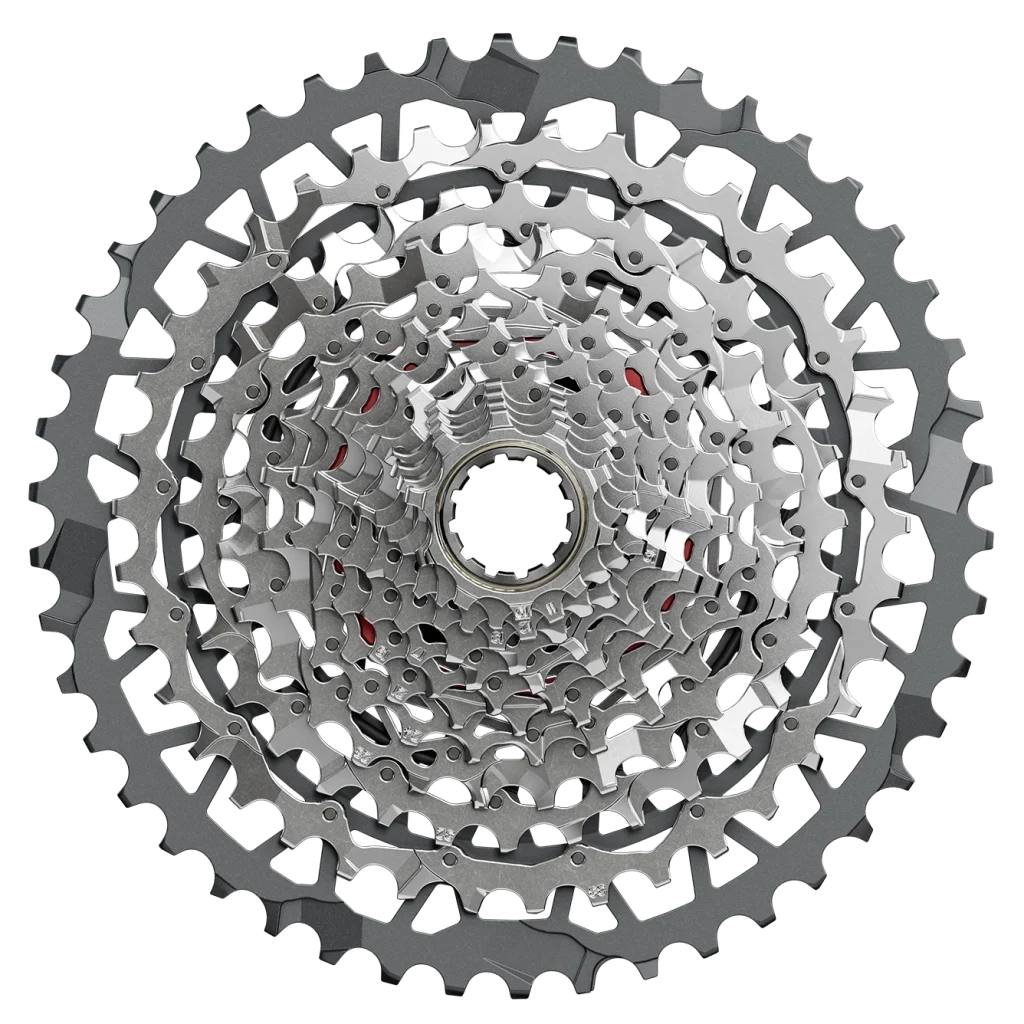
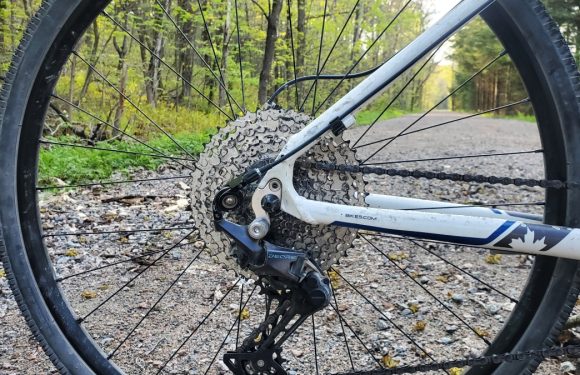
Out back, the 13-speed cassette spacing is one of those details you don’t fully appreciate until you spend time with it. The steps between gears feel deliberate and smooth, keeping cadence more stable than you’d expect in mixed gravel conditions. It makes longer efforts feel less fragmented, especially when the terrain is constantly changing under you. That said, I can’t help but think a 50T or even 52T option would open the system up even further for riders pushing into steeper or more mountainous terrain.
In conclusion
After a solid stretch of riding, the Rival XPLR AXS settles into what it’s clearly designed to be: a no-drama, high-function gravel drivetrain. It doesn’t try to be flashy. It just delivers consistent shifting, genuinely improved braking comfort, integrated power without clutter, and a gear range that makes sense for how people actually ride gravel today. It’s another strong step from SRAM, and one that quietly raises the floor for what “entry-level performance” now looks like.
You can have more information about Sram here: